I bought another guitar pedal.
(Note to new readers. I do not actually own a guitar, but I do play either my synth or my violin through my pedals to “wet” the sounds.)
My new pedal is a multi-effects distortion pedal. This means, putting aside the looper pedal (which has a very specific recording & performance purpose) I now have what I would call a matching set: one pedal that adds and a second pedal that subtracts.
The new distortion pedal is subtractive. As I understand it, it passes the audio signal through its circuits and scrapes away some of the clarity of the signal by clipping or compressing or otherwise degrading the pristine sound emerging from the instrument before it comes out of the speaker.
There is beauty in destruction of that sort.
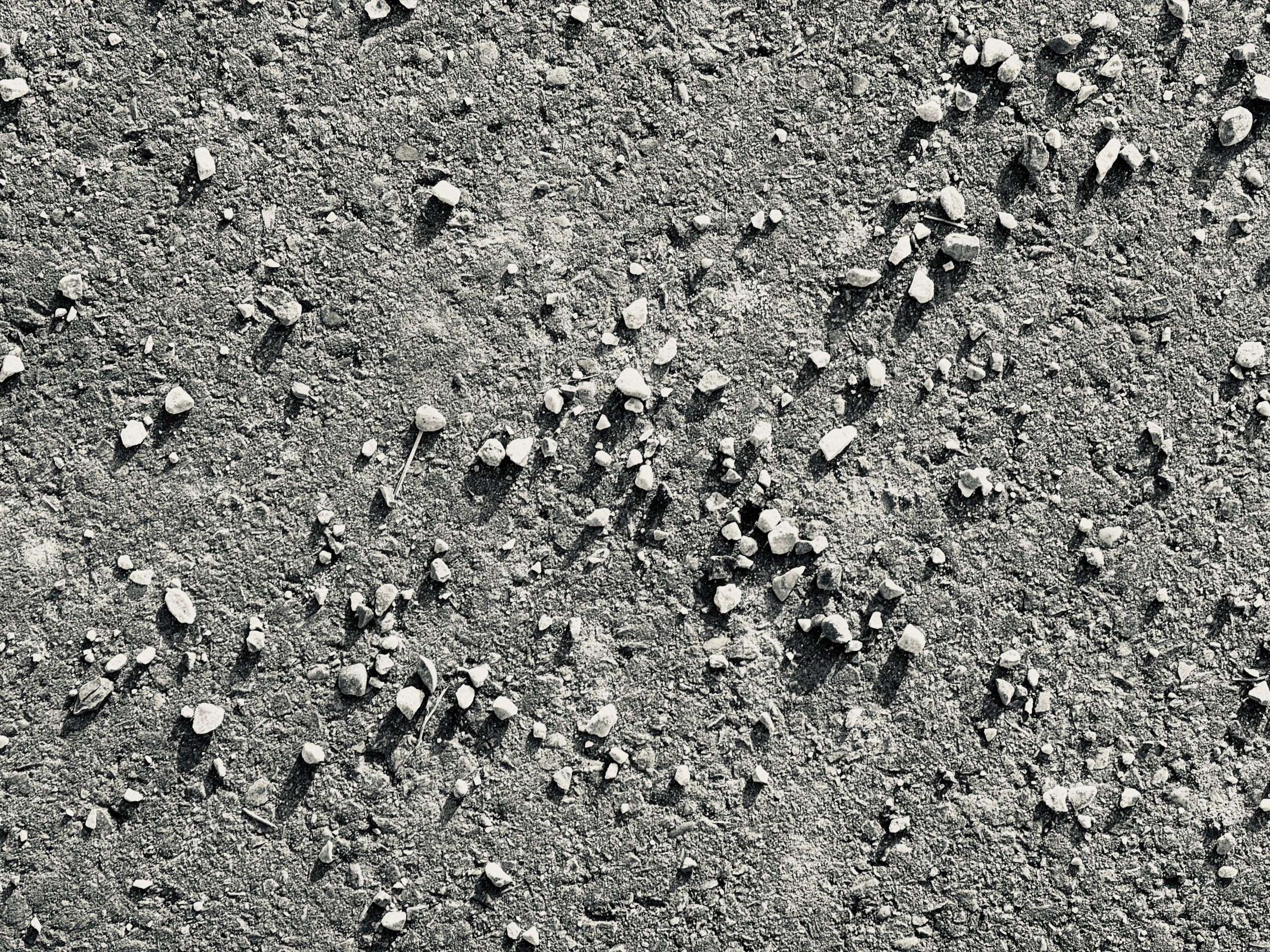
There is grit. There is abrasion. There is texture.
In fact, having now acquired a device whose sole purpose is to erode the quality of what comes from another device, it has got me thinking about the role of destruction in a lot of my art, and the aesthetics of grinding away the perfection in favour of something that feels like it has been lived in. Used. Worn away with time and the passing of years. And not just that, but done so with the clash of random indifference only possible through authenticity.
How can one hope to recreate the beauty of erosion and the story of a million soft touches with a simple tool in a single day? How do you add grit to fiction? How do you age a photograph at the moment of the click of the shutter? How do you sketch abrasion?
I can only begin to wonder.
Terms FROm this POSt
- guitar pedal
- Many people who don’t play instruments might not know that much of the sounds of modern music are “wet” or in other words, passed through some kind of filter to enhance, shape or otherwise change the “dry” sounds that emerge from a musical instrument. One of the common ways to do this, especially in performance, is with a small electronic filter device that takes the audio in, alters it on the fly in real time, and passes it back out the other side as a changed audio signal. Many of these are in the form factor of a small box with a sturdy foot button on the top, intended to be used by a guitarist or other musician with their feet on a stage. They have a lot of other uses, but they are named for their primary function.
- synth
- Often mistaken for a piano, especially in my house where my spouse reminds me that we already have two pianos and I don’t need a third, synths are electronic sound engines that shape primitive audio waveforms through a various processes either analog or digital for which the result is a unique pitched “note” often “discovered” by the artist, and a form of musical instrument that has become the basis of many modern forms of music.
- violin
- I write here quite a lot about the violin. It is exactly what you think: that four stringed wooden instrument with the distinctive curved body shape. Played well it is tuned to the range of the human voice, so it often haunts our hearts and reminds us of singing. I have been playing since 2016 when I took it up as an adult student, but one who could already read music. I can play, but the quality to which I aspire is something I will work on for the rest of my life.