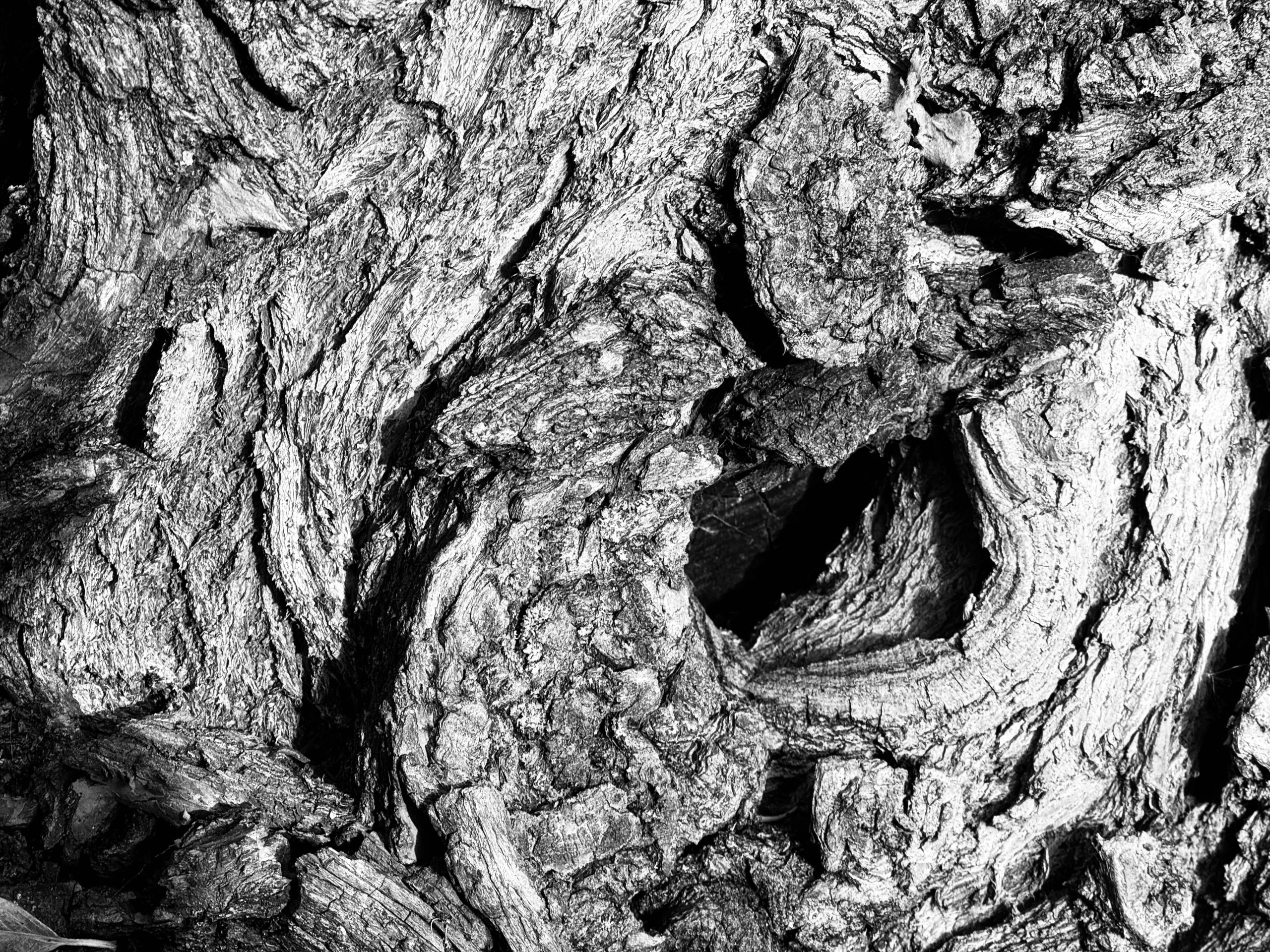
Sometimes when I make interesting stuff I yearn for my audience to find the same joy and love in the styles and abstractions through which I delve as I do.
There is often, however, a gap.
See, I have never full-heartedly pursued art or photography that I consider “commercial” or photorealistic or fitting with some standard grade of quality that many others look to as a golden standard. It is not some sneering down on others from on high, but rather a different interest and an alternate take on exploring expression and a bunch of other artsy-farty idealism that I’ve got rattling around in my head.
I get that people enjoy stuff that looks like something they know. I understand why commercial art is commercial: because it’s popular. Also, I have people close to me who judge my efforts by what seems to be exclusively how much it would be worth to sell or how accurately a sketch resembles the subject.
But… gap.
It always reminds me of that episode of The Office when Michael Scott went to Pam’s art show and looked at her work and proudly proclaimed: “Wow. You did these freehand? My god, these could be tracings.” [1]
The joke, as any aficionado of artistic measure will tell you the point of art is not to turn oneself into a camera. We have cameras. They do that thing already. The point of good art is to let a scene flow through a human brain and into a human hand and back out onto the page. A so-called “good” artist, then, should let a little of themselves join that flow and “express” themselves upon the final product. Pam locked in on the artist-as-camera approach (she was a novice, after all) and as pointed out by another character earlier in the episode her art didn’t really evoke anything of herself. It was just bland and aspirationally commercial.
It doesn’t mean that people who want commercial art or photorealistic drawings are wrong—it’s just that therein grows a gap between that particular audience who wants realism and commercial work, and an artist (like yours truly) who tries to avoid being a camera when he sketches.
Michael had the best of intentions when he said that to her—these could be tracings—because to him, someone who is played as unsophisticated and endlessly malleable to external suggestion, good art equates to photorealism and nothing more. And yet the moment is seen by audiences of the show as one of those standout, heartfelt moments. I tend to agree.
But it does highlight the gap in a single punchy line: after all, when your art doesn’t look like a tracing but you never intended it to, how do you take feedback from an audience that expected you to turn yourself into a camera?
References
- ↑ . The Office, "Business School". 3(16).
Terms FROm this POSt
- audience
- Creativity is often a dance between creator and audience. Art can exist in a vacuum, of course, but the perception of art by a receptive human mind seems to me to a critical half of the creative equation.

Leave a Thot